Milford Top Hardwood Refinishing for Durable and Attractive Finishes
Milford Top Hardwood Refinishing for Durable and Attractive Finishes
Blog Article
Superior Hardwood Refinishing Services for a Radiant, Enduring Shine
Premium hardwood floor restoration solutions offer an efficient solution for improving the visual and practical qualities of wood floors. These services utilize superior products and skilled techniques, guaranteeing a finish that is both attractive and durable. Homeowners often underestimate the impact of expert floor restoration on their property value. Comprehending the nuances of this process could reveal substantial benefits, particularly when weighing the long-term benefits and the pitfalls of DIY approaches. What should one know before proceeding?
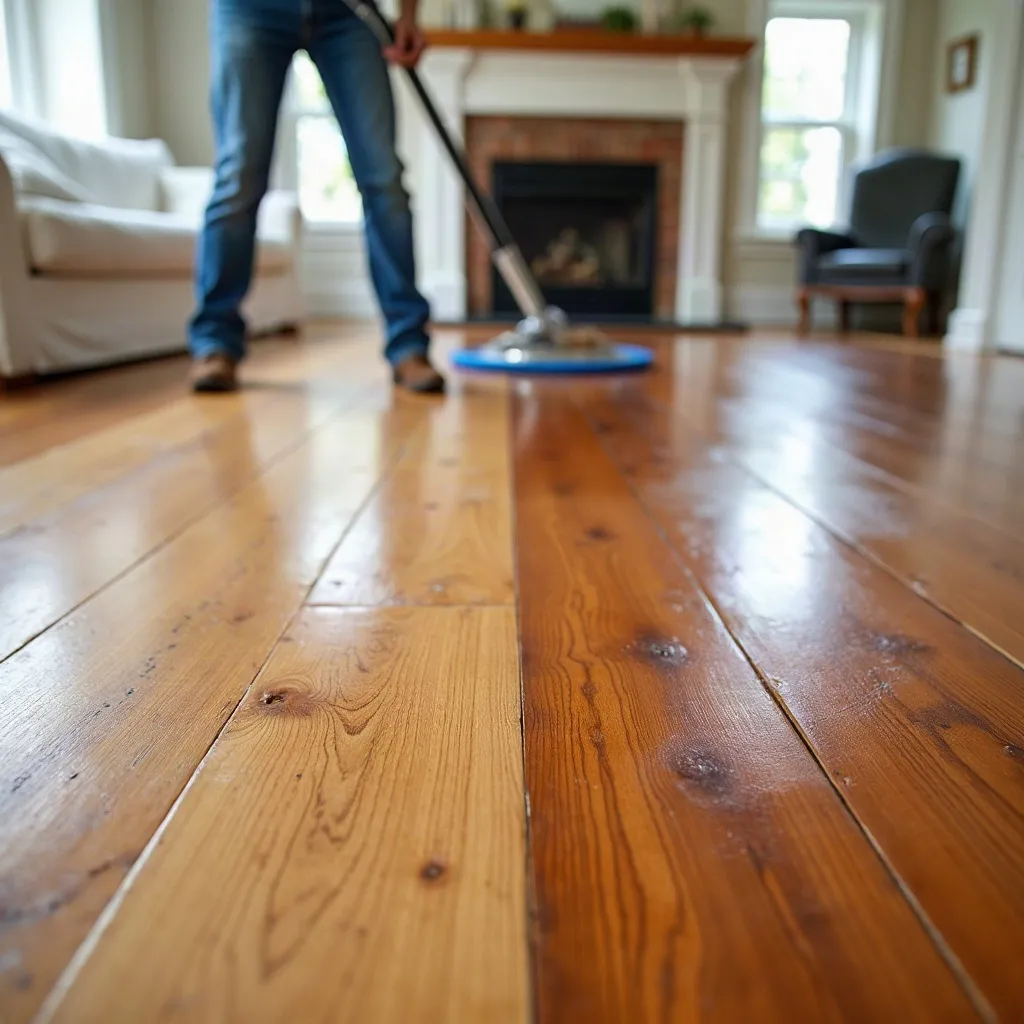
The Benefits of Putting resources into Experienced Hardwood Renewal
The allure of expertly refinished hardwood floors often relies on the expertise of professional refinishing services. Choosing such services not only enhances the visual beauty of a home but also extends the durability of the flooring. Professionals possess specialized knowledge and tools that guarantee a thorough process, addressing imperfections and wear effectively.
Moreover, their expertise enables tailored solutions that suit the particular requirements of various wood types and finishes. This meticulous focus can prevent further damage and expensive restoration in the future.
In addition, a beautifully restored floor can enhance property value, making it a prudent investment for homeowners. The time and effort saved by engaging specialists further support the cost, as they execute the job with efficiency and safety. Ultimately, expert floor restoration transforms not just the floors, but the entire ambiance of a living space, making it a worthy consideration.
How Hardwood Refinishing Works
Hardwood refinishing involves a methodical approach that begins with a comprehensive preparation and assessment process. This initial stage ensures that any existing damage is identified before the sanding and finishing techniques are applied. Understanding these steps is essential for achieving the best results in restoring the beauty of hardwood floors.
The Preparation and Evaluation Procedure
Reviewing the state of the hardwood floor is necessary for a successful refinishing project. The process begins with a comprehensive inspection to uncover any damage such as scratches, dents, or water marks. Professionals generally look for indicators of wear, moisture damage, and the overall strength of the flooring. After being evaluated, the previously applied finish type gets recorded, as it affects the refinishing strategy. Measurements are taken to figure out the square footage, informing material selection and budget estimation. Additionally, any required repairs, like filling gaps or replacing damaged boards, are discovered. This complete evaluation serves as the foundation for a customized refinishing plan, making sure the final result meets the homeowner’s expectations and extends the floor’s durability.
Surface Sanding and Finishing Tasks
The process of sanding prepares the hardwood surface by taking off old finishes and defects, showing the fresh wood underneath. This important step involves using several grits of sandpaper, beginning with coarse grit to eliminate deep scratches and worn spots. Finer and finer grits refine the surface, creating a smooth finish that highlights the wood's natural beauty. After sanding, dust and debris are carefully cleaned to prevent imperfections in the final coating. Next, finishing techniques like staining or sealing are applied to preserve the wood and boost its appearance. Professional-grade finishes offer durability and a lasting shine, ensuring the hardwood not only seems beautiful but also handles daily wear. Proper sanding and finishing techniques are key for ensuring superior results in hardwood refinishing.
Premier Pluses of Professional Hardwood Restoration Offerings
Turning exhausted, shabby floors into stunning showcases is one of the most striking reasons to contemplate professional hardwood refinishing services. These services not only bring back the inherent elegance of hardwood but also elevate the overall aesthetics of a home. Skilled floor restoration can substantially raise property value, making it an attractive investment for homeowners.
Additionally, experts apply high-quality supplies and state-of-the-art processes, ensuring a flawless finish that self-help methods often are unable to deliver. As a result, increased durability, permitting floors to withstand wear and tear over time, which proves notably valuable in congested locations.
Moreover, professional refinishing minimizes dust and debris, ensuring a cleaner environment during the process. With a range of finishes available, homeowners can modify their floors to match their style preferences. Ultimately, seasoned refinishing offers a blend of beauty, longevity, and increased home value, making it a worthwhile consideration for any hardwood floor owner.
Get Your Your Home to Accommodate Hardwood Refinishing
Preparing a home for hardwood refinishing is critical to ensure a smooth and efficient process. First, occupants should relocate all furniture, rugs, and personal items from the area to set up a clear workspace. This not only preserves belongings from dust and dirt but also allows easy access for the refinishing team. Next, it is prudent to dust the floors carefully, eliminating dust and dirt that may compromise the refinishing process.
Homeowners should also consider keeping animals safe in a separate area to prevent them from wandering into the work zone and guarantee their safety. Additionally, it is prudent to communicate any specific concerns or preferences with the refinishing professionals beforehand. Finally, maintain adequate airflow in the home, as refinishing materials can release strong odors. By following these steps, homeowners can facilitate a more efficient and effective hardwood refinishing experience.
Usual Errors to Prevent When Refinishing Hardwood Floors
When restoring wood flooring, several common oversights can detract from the quality. Bypassing vital prep steps, applying incorrect sanding methods, and overlooking adequate finishing treatments can lead to undesirable results. Knowledge of these hazards is critical for achieving a professional-looking look.
Skipping Planning Steps
overlooked areas or patchy coverage. An inadequate assessment of the floor's condition. Consequently, thorough preparation is necessary to secure the
Wrong Sanding Methods
Incorrect refinishing practices can severely damage the caliber of hardwood floor refinishing. One typical mistake is exerting uneven pressure during sanding, which can generate low areas and inconsistent finishes. Furthermore, selecting unsuitable grit paper can cause over-removal of the material, producing damage. Sanding against the grain pattern may also leave noticeable marks, detracting from the floor's overall appearance. Inadequate removal of dust between sanding passes can allow grit to scratch the surface, affecting the finish. Finally, neglecting to shift properly through various grit levels can produce an inconsistent and amateur appearance. Avoiding these errors is essential for creating a even, perfect finish that enhances the natural beauty of hardwood floors.
Failing Sufficient Surface Treatment
Proper finishing is as crucial as the sanding process in achieving a top-notch hardwood floor refinishing. Many homeowners underestimate the significance of using the right finishes and application techniques. Neglecting this step can lead to uneven surfaces, poor durability, and lackluster appearance. Common mistakes include applying too few coats, using incompatible products, or failing to allow adequate drying time between layers. Additionally, inadequate preparation, such as not cleaning the floor thoroughly, can compromise the finish's adherence and longevity. Professionals recommend selecting high-quality finishes tailored to the specific type of wood, ensuring a long-lasting shine. By prioritizing proper finishing, homeowners can enhance the appearance and lifespan of their hardwood floors, avoiding the pitfalls of subpar refinishing.
Preserving Your Newly Finished Hardwood Floors
Keeping freshly completed hardwood floors demands consistent care to maintain their beauty and durability. Regular sweeping or vacuuming is essential to eliminate dust and debris that can damage the surface. Using a soft-bristled broom or a vacuum designed for hardwood helps avoid damage.
Mopping needs to be done using a damp microfiber cloth along with a pH-balanced cleaner intended for hardwood. Too much moisture can cause warping, so it’s essential to refrain from soaking the floors.
In addition, placing rugs in frequently used spaces can reduce wear and tear. Occupants should also remain aware of furniture placement; applying felt pads underneath furniture bases can prevent blemishes.
Ultimately, keeping humidity at optimal levels within the home can protect the wood from swelling and shrinking. Consistently inspecting for signs of wear and addressing them promptly will ensure the floors maintain their stunning appearance for years to come.
Popular Inquired Queries
How Often Should Hardwood Floors Be Refinished?
Hardwood floors should generally be refinished every 7 to 10 years, based on factors such as foot traffic, wear, and maintenance. Regular inspections can help establish the ideal timing for refinishing to maintain their appearance.
Which Finishes Kinds Are On Hand for Hardwood Floors?
Multiple finishes are available for hardwood floors, including oil-based polyurethane, water-based polyurethane, penetrating oils, and varnishes. Each option delivers distinct durability, appearance, and maintenance requirements, allowing homeowners to choose based on their specific needs.
Can I stay in My Home During Refinishing?
During refinishing, staying in the home is typically discouraged due to airborne particles, chemical odors, and safety risks. Homeowners should consider temporary relocation to ensure safety and comfort while the process is underway.
What is the duration of the restoration procedure?
Resurfacing commonly requires between three to five days, varying with the size of the region and the level of the effort needed. This window ensures for sufficient hardening and drying of the finish.
Can Hardwood Refinishing Be Protected Around Children and Pets?
Hardwood refinishing relevant resource remains safe for kids and animals generally when proper precautions are taken. Guaranteeing sufficient air circulation, using low-VOC finishes, and permitting sufficient drying time reduces risks, forming a more secure setting throughout and following the process.
Report this page